

The Isolation Trap: Why Insurance Adjusters Separate Portland Accident Victims
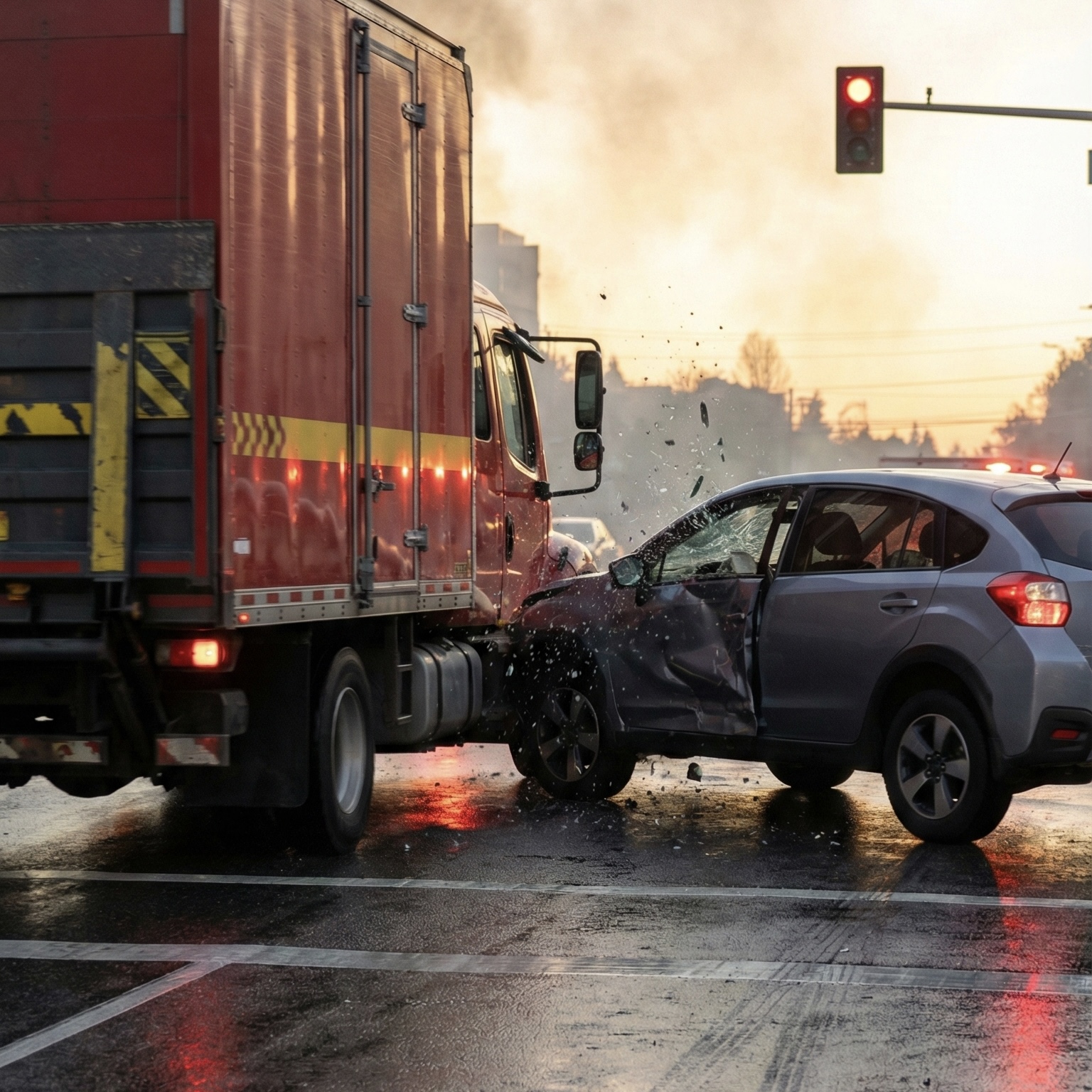
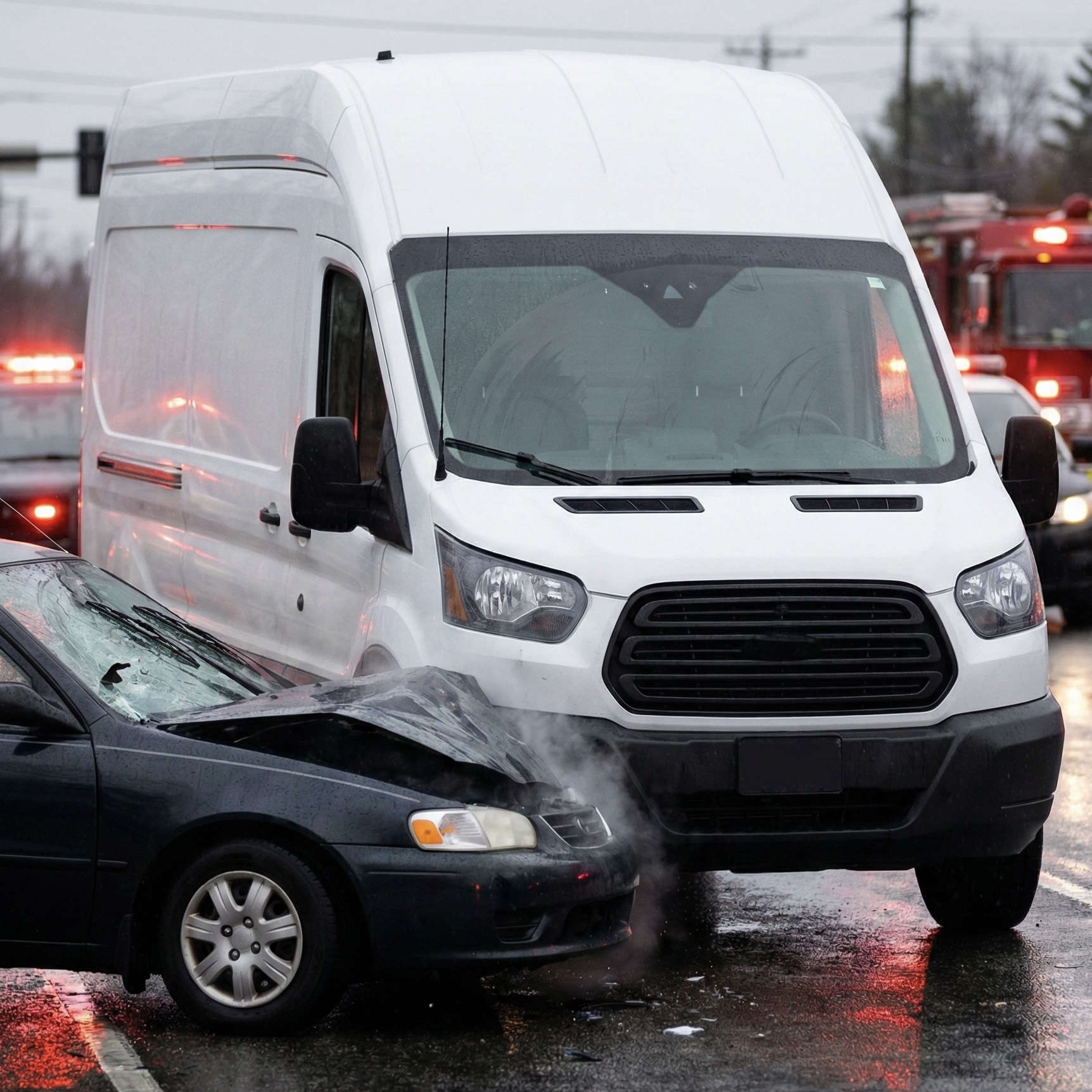
If you were a passenger in a rideshare, a shuttle, or a family vehicle hit by a commercial fleet in Portland, your phone is about to ring.
Then your spouse's phone will ring. Then your child’s phone will ring.
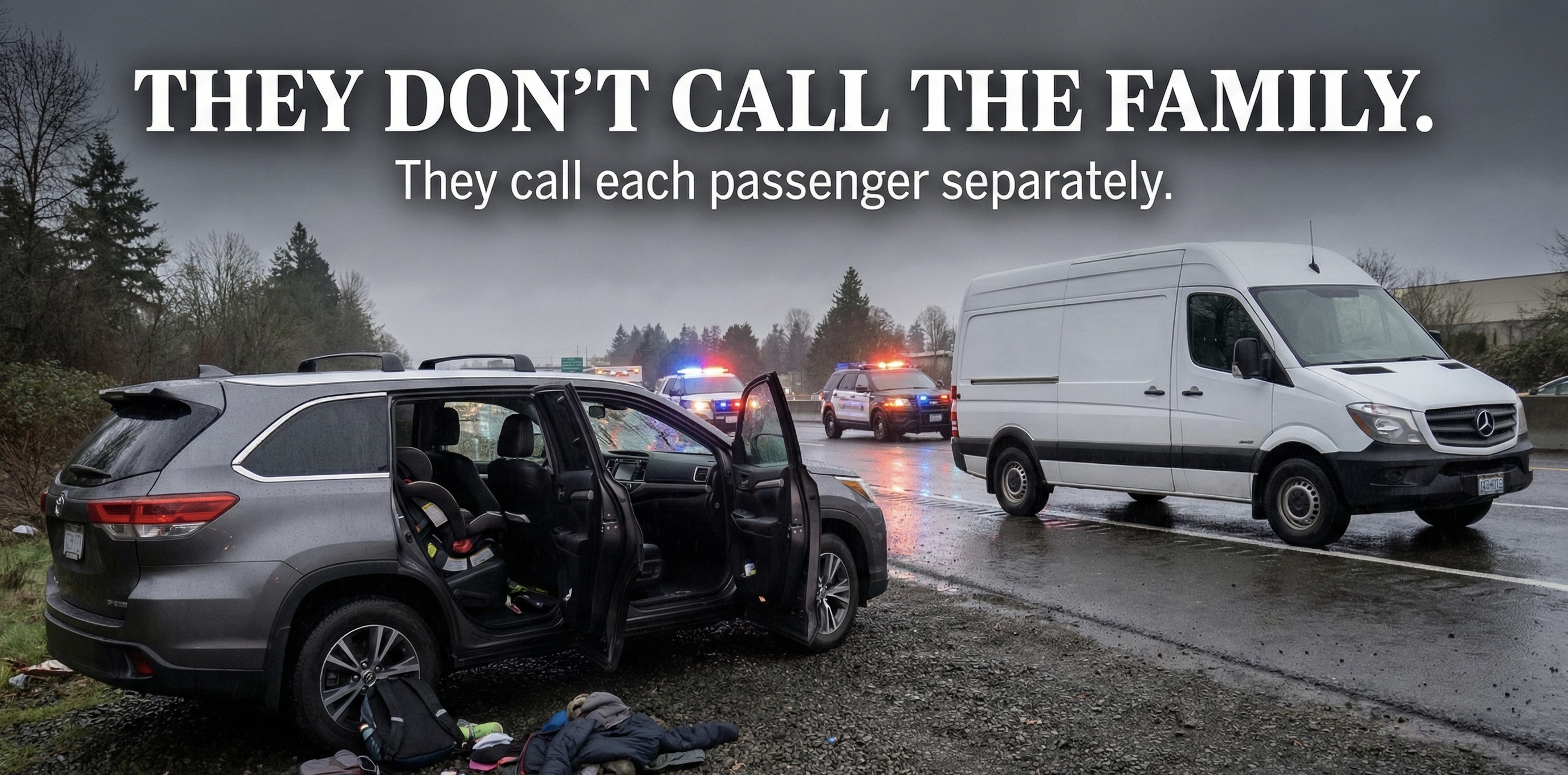
They will not ask to speak to the "family." They will speak to individuals. This is not a courtesy. It is a tactical maneuver known as fragmentation. In the high-stakes world of commercial insurance, a unified group of victims is a "collective liability" that threatens their policy limits. Scattered individuals are just line items to be minimized.
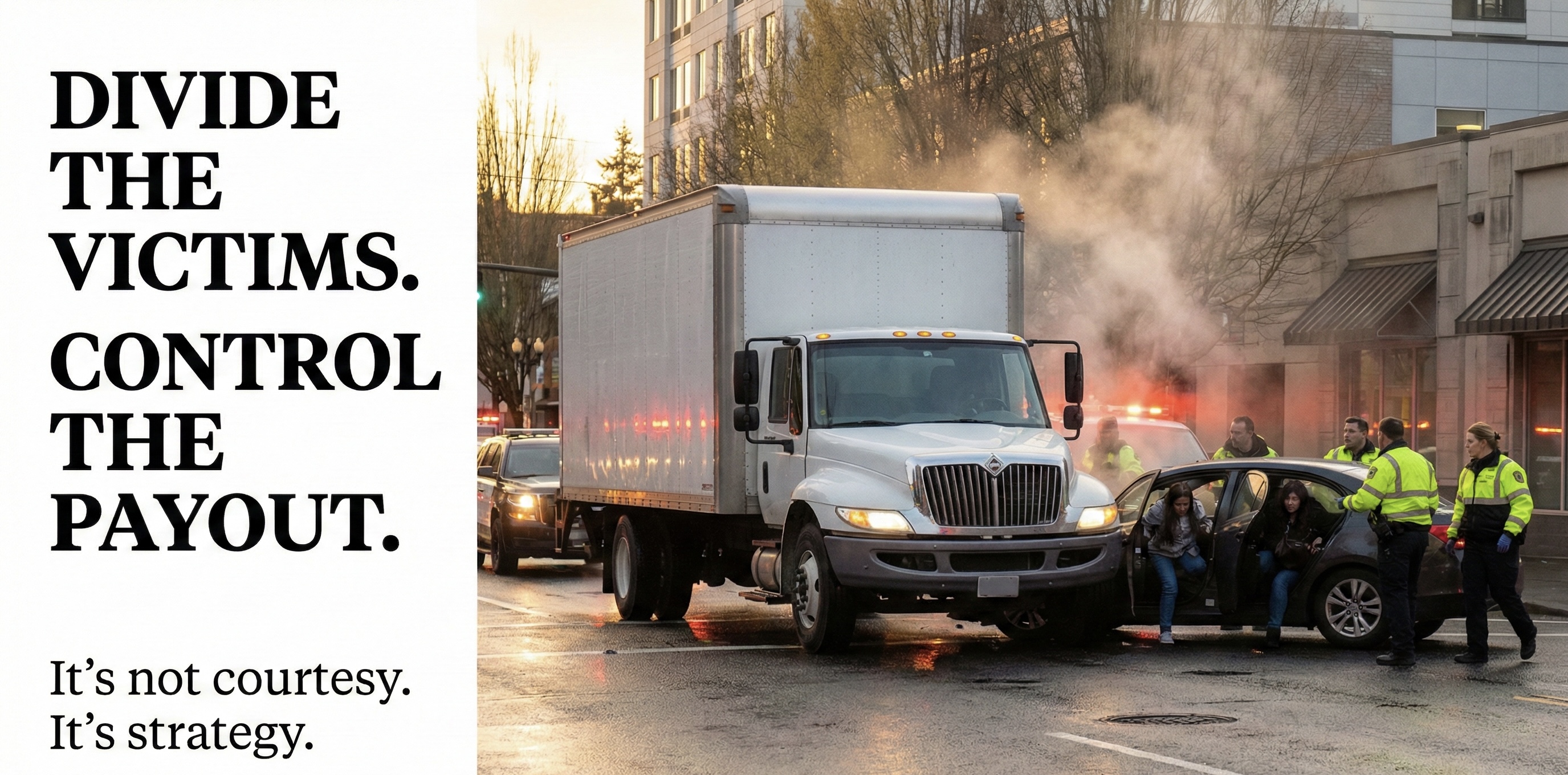
THE STRATEGY: DIVIDE, CONQUER, AND CLOSE
When a commercial vehicle like an Amazon van, a UPS truck, or a heavy freighter on I-5 causes an accident with multiple victims, the insurer faces a "severity" risk. Their goal is to close the file for the lowest possible aggregate cost.
To do this, they apply a variation of the Prisoner’s Dilemma. They know that if they can get one passenger to say, "I’m fine," or "The driver wasn't going that fast," they can use that recorded statement to devalue the claims of everyone else in the car.
Why They Fragment the Group:
- Contradictory Narratives: They want your teenager in the back seat to describe the crash differently than the driver. They will use these minor inconsistencies to dispute liability for the whole group.
- The "Quick Check" Race: They know Oregon Personal Injury Protection (PIP) has limits. They want you to compete against your own family members for the "easy money" before you realize there is a massive corporate liability policy available.
- Breaking the "Aggregate" Leverage: Commercial policies often have a "Per Accident" limit and a "Per Person" limit. If they settle two passengers cheaply, they save the bulk of the "Per Accident" limit for their own profits, rather than paying it out to the remaining victims.
THE "FRIENDLY" ADJUSTER IS A DATA MINER
The adjuster calling you will sound empathetic. They will ask about your kids. They will sound like a "good neighbor." Do not be fooled. As noted in industry analyses of claims practices, the modern claims department is a profit center. The adjuster is often evaluated on "severity", the average amount paid out per claim.
They are mining for "Soft Fraud" indicators: Insurers use software (like Colossus) to evaluate injuries. If you casually mention to the adjuster that you "have a high pain tolerance" or "don't like doctors," you have just fed the algorithm data that lowers your settlement offer. If your spouse says "He seems okay," the adjuster enters that as evidence against your future medical needs.
THE OREGON "PASSENGER" ADVANTAGE
In Portland and throughout Oregon, passengers often have more leverage than the driver, yet they are frequently the first to settle for pennies.
Why Passengers Hold the Cards:
- Zero Fault: As a passenger, you are almost never at fault. You were just sitting there. This removes the insurer's ability to argue "comparative negligence".
- Dual-Source Recovery: You may have claims against both the commercial driver who hit you AND the driver of the car you were in (if they were partially at fault).
- Stacking Policies: In commercial cases, you can often trigger "Umbrella" or "Excess" layers of insurance that don't kick in until the primary policy is exhausted.
The Trap: If you sign a "General Release" for a quick $1,500 check to cover an ER visit, you may be inadvertently releasing the corporate entity from all future liability. You essentially sell a $100,000 asset for the price of a rental car.
HOW TO BREAK THE ISOLATION
The insurance company wants you isolated, confused, and rushing to settle before you talk to each other. Reclaim your collective power.
- Centralize Communication: Designate one person in the family or group to handle all mail and correspondence. Do not let adjusters pick you off one by one.
- Silence is Leverage: You are under no legal obligation to give a recorded statement to the at-fault commercial insurer immediately. Tell them: "We are assessing the full extent of the group's injuries and will provide a written statement later."
- Don't Sign "Blanket" Releases: Be terrified of any document that says "Release of All Claims." In Oregon, you can settle property damage (the car) separately from bodily injury. Don't let them bundle it to kill your injury claim.
UNIFY YOUR FRONT
When victims stand together, the "fragmentation" strategy fails. The insurer is forced to look at the total exposure of the accident, which often triggers higher-level risk managers and larger settlement authority.
Don't be a fragmented line item. Be a collective liability.
GET THE "PASSENGER LEVERAGE" CHECKLIST
(Stop the adjuster from interviewing your family separately)
Strategic Note: We are an escalation analysis team, not a law firm. We help Oregon families identify the corporate insurance layers hidden behind simple car accidents.